Subsea. The state you cannot see.
Subsea tree pressure estimated from topside readings, with an interval. Severe slugging flagged. The largest stable choke opening per well. Scored in simulation and on public well events against a gauge the estimator never sees; the results stay here. Never writes to the choke.
Six products. One engine.
Identify. Estimate. Bound.
Identify
The well's own reduced model, from a normal window.
BankEstimate
Tree pressure and holdup with intervals; the slug early.
Tree · SlugBound
The stable choke, the what-ifs, the margin. Proposals only.
Choke · Lift · HydrateReduced well–flowline–riser models identified per well; extended and unscented Kalman filters and constrained moving-horizon estimation with holdup bounds
Wavepin estimates single-phase pipelines. Tieback estimates two-phase wells, flowlines and risers.
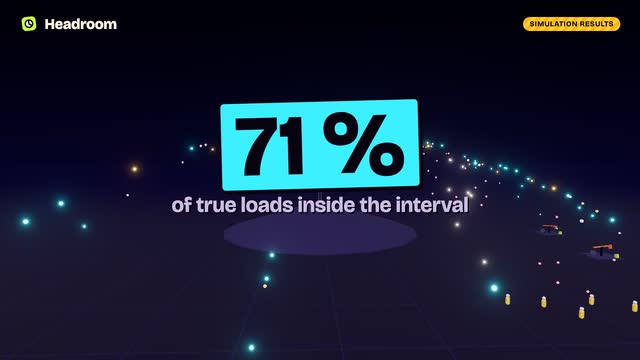
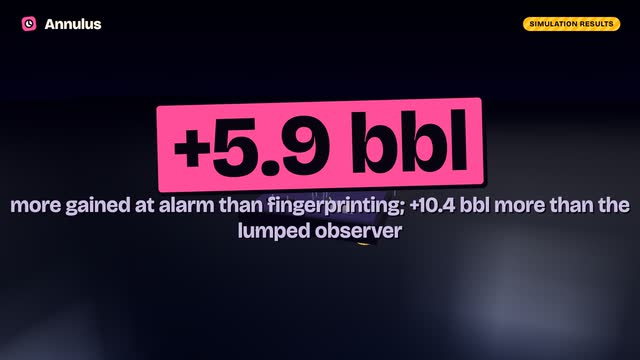
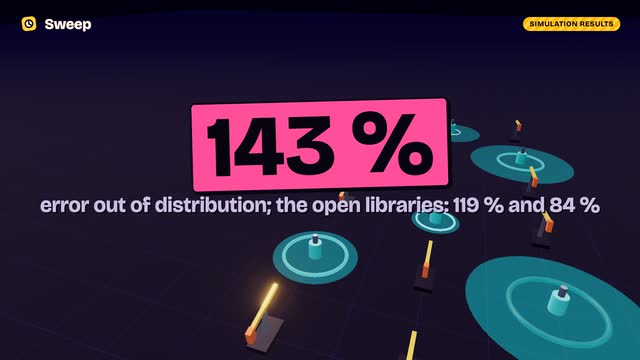
Tournament t001, 1500 held-out simulated wells (deepwater and gas-lifted tiebacks; a shallow satellite held out as unseen); the truth is a six-state riser model of a different structure from the estimator's. Plus 315 real instances from a public well-event dataset, tree gauge hidden. The bar and the result are on the proof page. All the numbers →
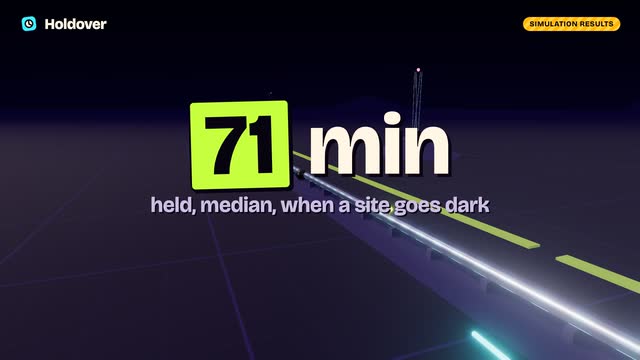
The whole story in 82 seconds
Built for the assets you run
Deepwater tiebacks
Long flowlines, one deck gauge.
Satellite wells
Shallow water, unstable flow.
Gas-lifted wells
Long flowlines, casing heading.
FPSO topsides
Separators and slug catchers.
The results stay public.
Both splits, every number and the ledger are on the proof page. If you hold tree-gauge data and well geometry, the test can be rerun on your wells.